


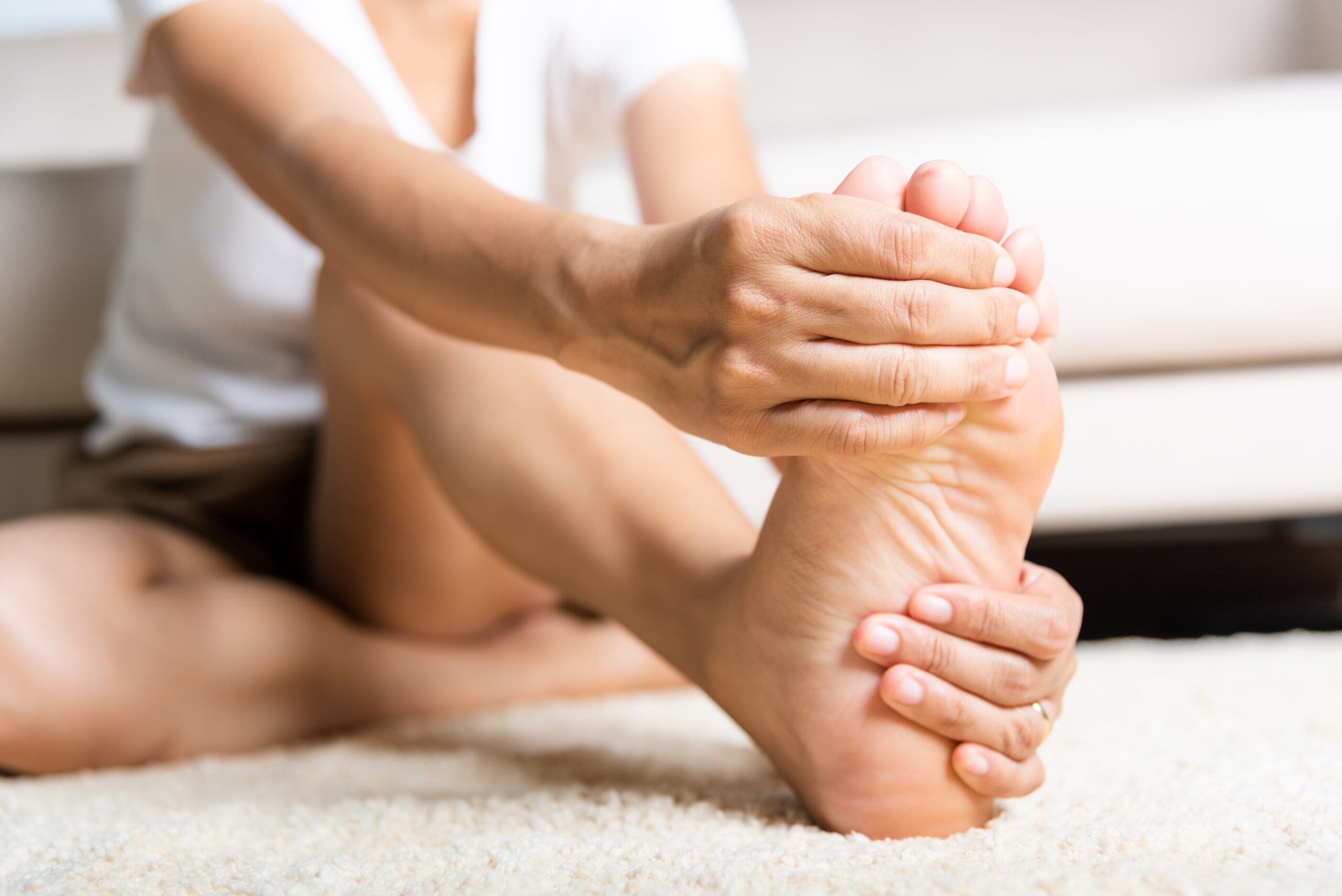
Gout sounds like a relatively harmless condition, but a gout attack can be extremely painful. The inflammation often occurs in the base joint of the big toe, making walking and movement temporarily difficult. Many people use anti-inflammatories or adjust their diet, as certain products such as alcohol and some cheeses can trigger an attack.
Within osteopathy, we do not only look at the inflamed joints themselves, but also at the processes in the body that may contribute to the development of recurring gout symptoms.
Uric acid crystals (urate crystals) play an important role in gout. The kidneys are involved in processing and excreting these substances. From an osteopathic perspective, the mobility and tension around the kidneys can influence the functioning of the body as a whole.
A practical example of this is a patient I first saw in 2007 due to regular recurring gout attacks. During the osteopathic examination, it was noted that there was significant tension around the right kidney region. In conversation with the patient, it emerged that he had been involved in a car accident at a young age, which had placed considerable strain on his body.
During the treatment, we focused on improving mobility and reducing tension in the area around the kidney. Following this, the gout symptoms remained quiet for a long period. In the years that followed, additional treatments were only needed occasionally.
For many people, the benefit lies not only in reducing pain symptoms, but also in supporting the best possible functioning of the body in the long term.
Osteopathy and recurring gout attacks:
In osteopathy, the body is viewed as a single whole. Recurring symptoms, such as gout, can sometimes be related to long-term tension patterns or old injuries elsewhere in the body.
An osteopath therefore examines not only the site of the complaint but also looks at factors that may contribute to the onset or persistence of symptoms.

